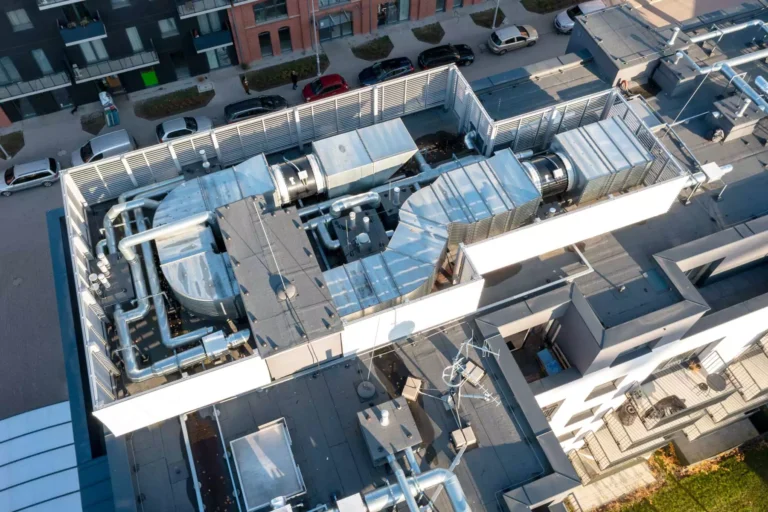
Understanding Commercial Refrigeration Systems
Commercial refrigeration forms the backbone of countless businesses across Springdale, AR and the surrounding regions including Lowell, Rogers, Tontitown, Johnson, and Elm Springs. At Trinity Air Conditioning and Refrigeration, we specialize in providing comprehensive commercial refrigeration solutions that keep businesses running smoothly and efficiently. Our expertise spans from small convenience stores to large-scale industrial facilities, ensuring that temperature-sensitive products remain fresh and safe for consumption.
The complexity of commercial refrigeration systems requires deep technical knowledge and years of hands-on experience. With our combined 35 years in the industry, we understand that each business has unique refrigeration needs based on their products, space constraints, and operational requirements. Whether you’re storing fresh produce, frozen goods, pharmaceuticals, or specialty items, proper refrigeration isn’t just about maintaining cold temperatures—it’s about creating the optimal environment for product preservation while maximizing energy efficiency and minimizing operational costs.
Types of Commercial Refrigeration Equipment
The commercial refrigeration landscape encompasses a diverse range of equipment, each designed for specific applications and industries. Walk-in coolers and freezers serve as the workhorses for restaurants, grocery stores, and food distribution centers, providing large-scale storage solutions with customizable temperature zones. These units typically range from small 6×6 foot boxes to massive warehouse-sized installations spanning thousands of square feet.
Display cases and merchandising refrigerators play a crucial role in retail environments, combining functionality with visual appeal to showcase products while maintaining proper temperatures. From open-air produce cases that maintain humidity levels between 85-95% to glass-door freezers operating at -10°F, each unit requires precise calibration and regular maintenance. Reach-in refrigerators and freezers offer convenient access for kitchen staff in restaurants, while undercounter units maximize space efficiency in cramped commercial kitchens. Specialized equipment like blast chillers, which can rapidly reduce food temperatures from 160°F to 38°F in under 90 minutes, help businesses comply with food safety regulations while preserving food quality.
Energy Efficiency and Cost Considerations
Modern commercial refrigeration systems consume approximately 17% of all electricity used in the commercial sector, making energy efficiency a critical consideration for businesses. We focus on installing and maintaining systems that deliver optimal performance while minimizing energy consumption. Advanced features like variable-speed compressors, LED lighting, and smart defrost controls can reduce energy usage by 20-40% compared to older systems.
The initial investment in energy-efficient refrigeration equipment typically pays for itself through reduced utility bills within 2-5 years. For instance, upgrading from a standard efficiency walk-in cooler to an ENERGY STAR certified model can save businesses $1,000-$3,000 annually in electricity costs. We help businesses navigate available rebates and incentives, which can offset 10-30% of upgrade costs. Additionally, proper insulation, door seals, and regular maintenance prevent energy waste—a worn door gasket alone can increase energy consumption by up to 11%.
Maintenance Requirements and Best Practices
Regular maintenance stands as the cornerstone of reliable commercial refrigeration operation. We recommend comprehensive inspections every three months, with more frequent checks for high-usage equipment. Key maintenance tasks include:
- Condenser coil cleaning: Dirty coils force compressors to work harder, increasing energy consumption by up to 30% and shortening equipment lifespan
- Refrigerant level monitoring: Low refrigerant levels strain the system and can lead to compressor failure, with replacement costs ranging from $1,500 to $8,000
- Temperature calibration: Even small temperature variations can impact product quality and safety, potentially leading to costly inventory losses
Our 24/7 availability ensures that emergency repairs happen quickly, minimizing downtime and product loss. As a family-owned business rooted in Christian values, we understand that refrigeration failures don’t follow business hours, and we’re committed to being there when our customers need us most.
Industry Applications and Solutions
Different industries require specialized refrigeration solutions tailored to their unique needs. Restaurants and food service establishments need reliable equipment that can withstand constant use while maintaining precise temperatures for food safety compliance. We design systems that accommodate high-traffic kitchens, with easy-access configurations and rapid recovery times after frequent door openings.
Grocery stores and supermarkets face the challenge of maintaining multiple temperature zones while creating an appealing shopping environment. Our solutions include energy-efficient display cases with anti-fog glass, night curtains for open cases, and integrated refrigeration systems that recover waste heat for store heating. Pharmaceutical and medical facilities require ultra-precise temperature control, often within ±2°F, along with redundant backup systems and continuous monitoring. We install systems with battery backup, alarm notifications, and data logging capabilities to ensure compliance with strict regulatory requirements.
Common Challenges and Troubleshooting
Commercial refrigeration systems face numerous operational challenges that require prompt attention to prevent costly failures. Temperature fluctuations often stem from improper loading, blocked air circulation, or failing components. We educate our clients on proper product placement, maintaining 3-6 inches of clearance around stored items for adequate airflow.
Ice buildup represents another frequent issue, typically caused by damaged door seals, excessive humidity, or malfunctioning defrost systems. Left unchecked, ice accumulation reduces cooling efficiency and can damage evaporator coils. Unusual noises—grinding, squealing, or constant running—signal potential compressor or fan motor problems requiring immediate professional attention. We diagnose issues using advanced diagnostic tools and thermal imaging to identify problems before they escalate into major failures.
Future Trends in Commercial Refrigeration
The commercial refrigeration industry continues evolving with technological advances and environmental regulations. Natural refrigerants like CO2 and hydrocarbons are gaining prominence as businesses seek to reduce their environmental footprint while complying with phase-out schedules for high-GWP refrigerants. These systems offer excellent efficiency but require specialized knowledge for safe installation and service.
Smart refrigeration technology enables remote monitoring, predictive maintenance, and automated optimization. IoT-enabled systems can alert managers to temperature excursions, predict component failures, and automatically adjust operations based on usage patterns. We stay current with these emerging technologies, ensuring our customers benefit from the latest innovations while maintaining reliability and cost-effectiveness. The integration of renewable energy sources, particularly solar power for refrigeration systems, presents exciting opportunities for businesses to further reduce operating costs and environmental impact.